Warped or Cupping Hardwood After a Leak? What East Tennessee Homeowners Can Still Save
Quick Answer: Cupping is the board edges lifting higher than the center, and it happens when the underside of a plank picks up more moisture than the top — usually from a slow leak, a wet crawl space, or standing water that sat before anyone noticed. Mild cupping caught within the first day or two often flattens back out once the wood dries evenly from both sides. Cupping left for a week or more, or paired with crowning, buckling, or a musty subfloor, usually means sanding, partial replacement, or a full tear-out. The board species, how long the water sat, and whether the subfloor stayed dry underneath all decide which outcome you get.
You notice it first at the baseboard — a hallway board with edges that catch your sock when you walk past, or a kitchen plank near the dishwasher that's started to feel like a shallow trough instead of a flat board. A few feet away, the floor looks fine. That uneven feel under your feet, more than any visible stain, is usually the first real sign that water got into the wood and not just onto it.
What Cupping Actually Looks Like (and Why It Happens)
A cupped board has raised edges and a lower center — run your palm across it and you'll feel the dip. That shape isn't random. Wood absorbs and releases moisture through its grain, and when the bottom face of a plank sits in more moisture than the top face, the underside expands faster than the surface. The board bows upward at the edges because the swelling wood has nowhere else to go.
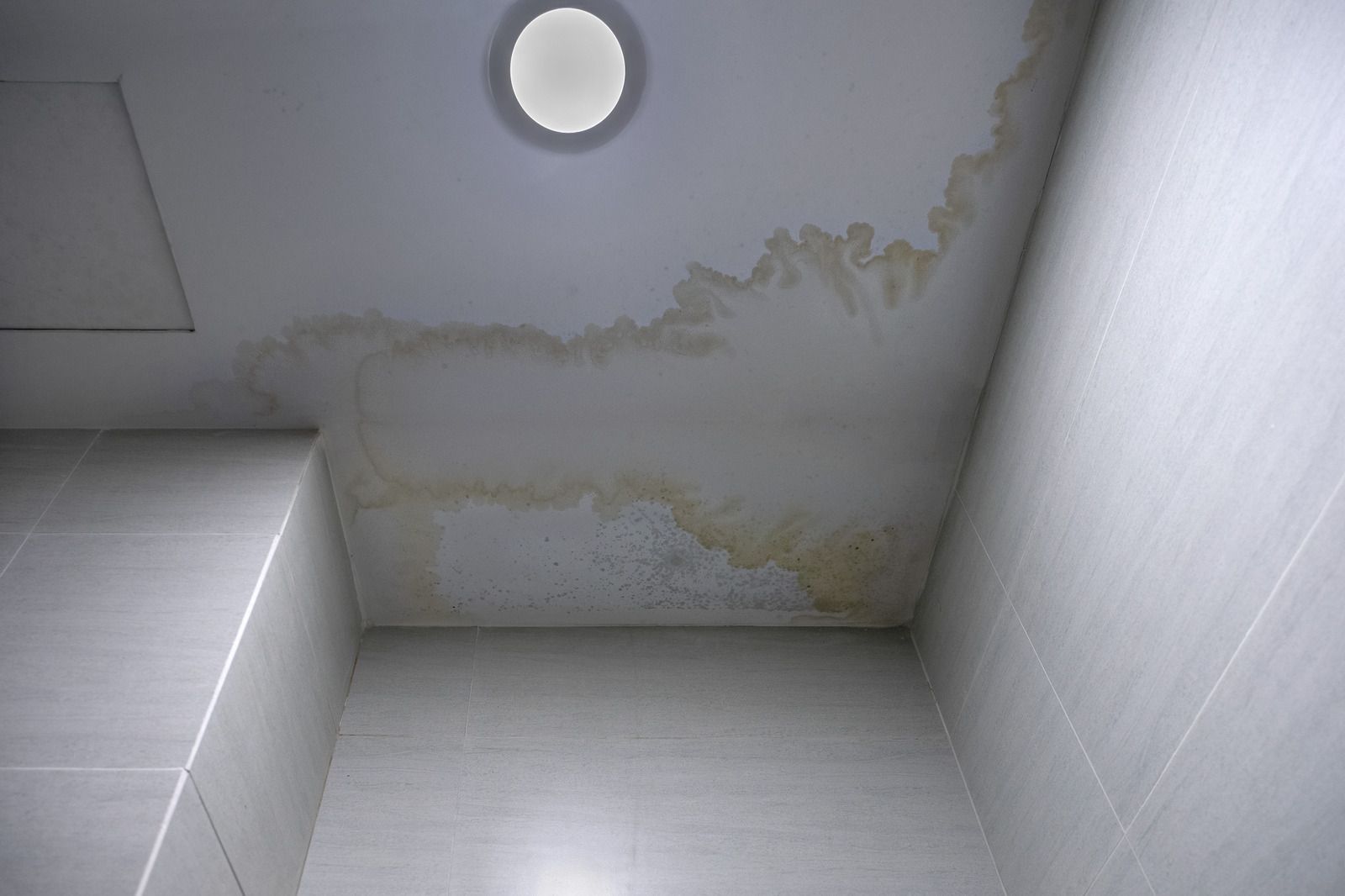
The moisture source is almost always underneath. A supply line leak inside a wall, a dishwasher or refrigerator line that's been weeping for weeks, a slow roof leak reaching the subfloor, or a damp crawl space pushing moisture up through the joists — all of these soak the bottom of the flooring before you ever see a mark on top. By the time cupping is visible from where you're standing, the wood has already been absorbing water long enough to react.
Species and finish matter too. Solid wood floors move more than engineered flooring because solid boards are a single piece of material reacting to moisture top to bottom. Wider planks cup more visibly than narrow strip flooring, since the same percentage of moisture swelling shows up as a bigger dip across a wider board. A film finish that's still intact can actually slow how fast you notice a problem, because it keeps the top face drier while the underside keeps absorbing.
Cupping vs. Crowning vs. Buckling: Reading the Signs Correctly
People use these three terms interchangeably. They shouldn't. Each one describes a different stage of the same underlying moisture problem, and mixing them up leads to the wrong fix.
Cupping is edges up, center down — the classic early response to a wet subfloor or wet crawl space. This is usually the most recoverable stage if it's addressed quickly.
Crowning is the opposite shape: the center of the board sits higher than the edges. Crowning typically shows up in one of two ways — either the moisture imbalance has reversed as the top face dried out while the bottom stayed damp, or a cupped floor was sanded flat while it was still wet underneath, so the "fix" became a new problem once the rest of the moisture finally left the wood. Once a floor crowns from a premature sanding job, it's much harder to correct than cupping alone.
Buckling is the extreme end of the same spectrum — boards actually separate from the subfloor and lift, sometimes several inches, tenting up in a section of the room. This level of damage usually points to standing water or flooding, not just a slow leak, and it almost always means the affected boards need to come up.
Peaking, a related issue, is when boards push against each other and rise at the seams because swollen wood has run out of expansion room at a wall or doorway. It's a sign the wood absorbed enough moisture to expand beyond what the installation gaps could handle.
Reading which of these you're looking at — and how far it's progressed — is what determines whether a floor gets dried in place or needs to come out.
Tip: Press a fingertip into the center of a cupped board versus the edge. If the wood feels noticeably softer or spongy anywhere along the board, that's a sign the moisture has gone past a cosmetic shape change and into the wood fiber itself — worth flagging before you decide on a drying plan.
Why the First 24 to 48 Hours Decide What's Salvageable
Timing matters more than almost anything else here. A floor that gets attention within the first day of a leak or flood, with the moisture source stopped and drying equipment in place, has a real chance of flattening back out on its own as the wood releases moisture evenly. Wait a week, even in a room nobody's using, and the odds flip. By then you're usually looking at sanding, partial board replacement, or full removal to get a flat, stable floor back.
Two things are working against you the longer water sits. First, the wood itself keeps absorbing and the moisture imbalance between the top and bottom of each board keeps growing, which makes the eventual shrinkage back to flat less even and less complete. Second, trapped moisture between the flooring and the subfloor creates exactly the damp, dark, low-airflow conditions where mold colonization can begin within roughly one to two days — which is why a "floor problem" so often turns into a subfloor and air-quality problem if it's not caught early. That's also why we treat cupped hardwood as a moisture-detection job first and a cosmetic repair second: knowing how deep and how far the moisture has traveled changes the entire plan.
How We Dry Cupped Floors From Both Sides, Not Just the Top
Drying a cupped floor correctly is not the same as pointing a box fan at it and waiting. The goal is to bring the moisture content of the top and bottom of each board back into balance at roughly the same rate. Dry it unevenly and you risk trading cupping for crowning instead of getting a flat floor.
We start with moisture mapping, not guesswork. Thermal imaging shows us where moisture has traveled under the flooring and into the subfloor, and moisture meters confirm the actual reading — not just at the surface, but deeper into the board where a visual check can't tell you anything. We've walked into more than one Kingsport kitchen where the visible cupping stopped at the dishwasher, but the meter showed wet subfloor three or four feet further in.
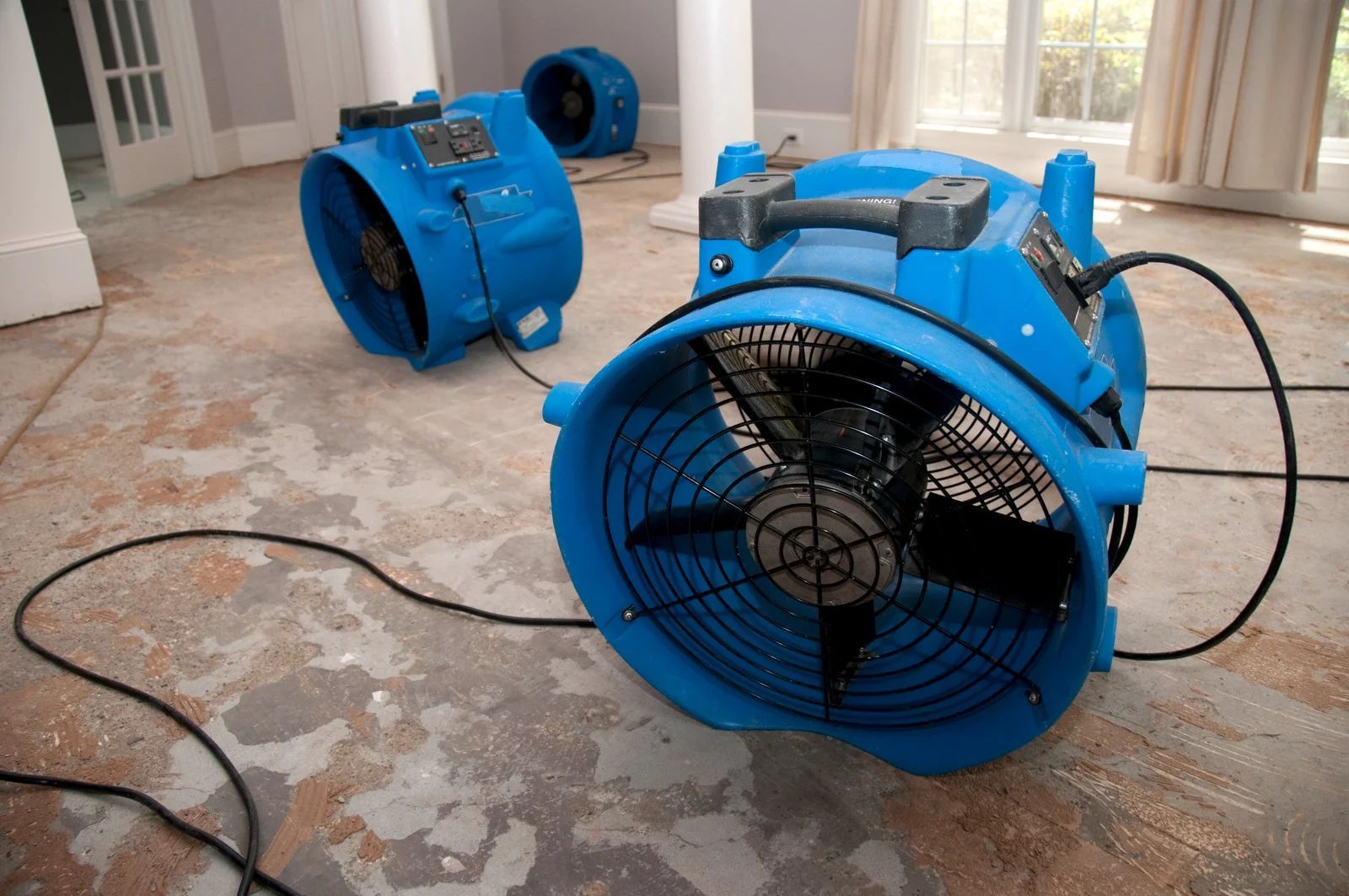
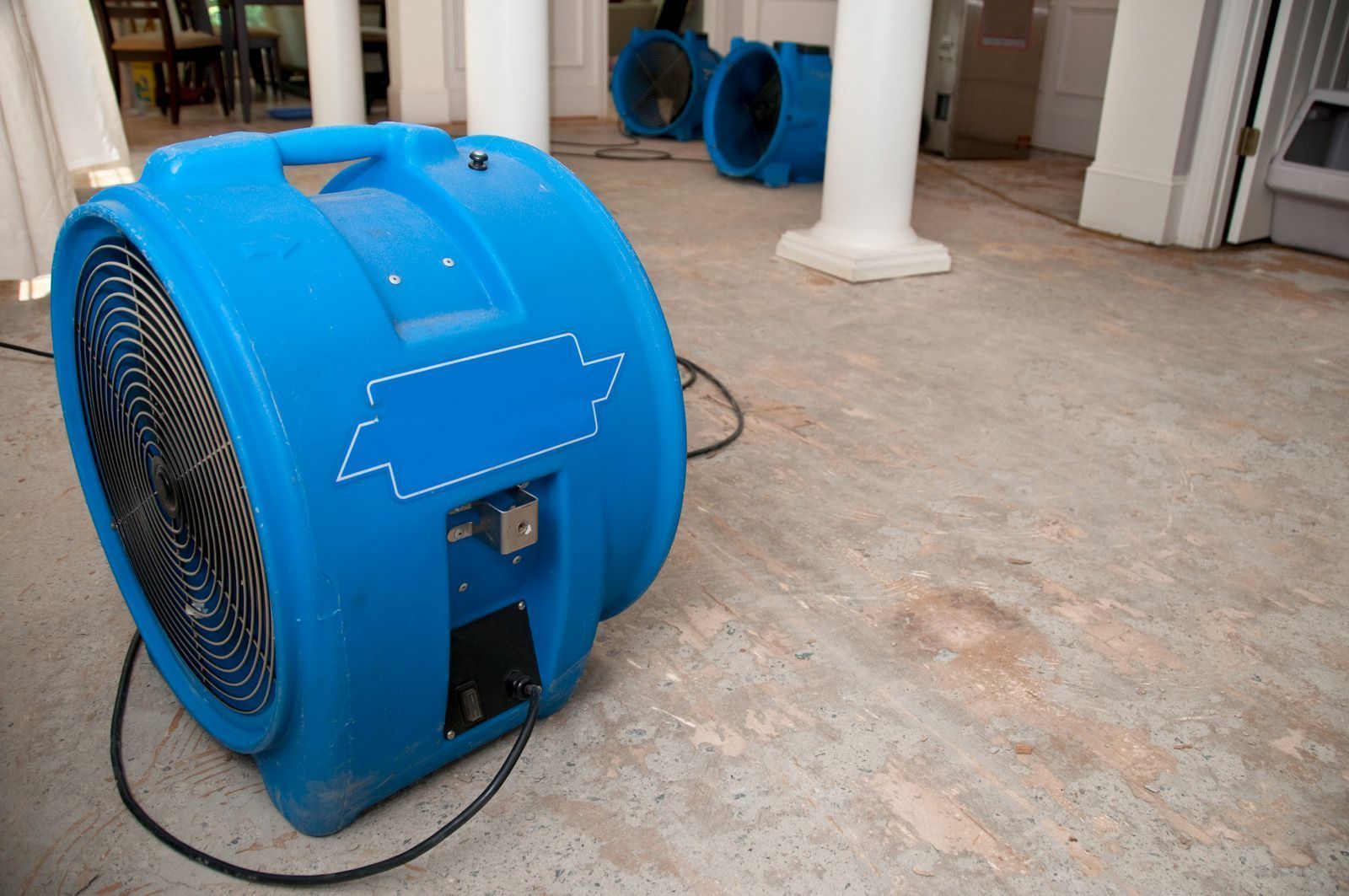
From there it's about controlling the whole room, not just the floor. Industrial air movers keep air circulating evenly across the surface. Commercial dehumidifiers pull moisture out of the surrounding air so the wood actually has somewhere for its own moisture to go — a fan blowing across a humid room barely helps, because the air itself is already saturated. And none of it matters without follow-through: moisture readings get checked and logged day by day until the boards return to a stable, dry range and hold there, not just until the floor looks flat again.
A board can look flat well before it's actually dry all the way through. Refinishing or resealing too early is exactly what turns a fixable cupping problem into a permanent crowning problem. Confirming dryness with a meter, not an eye test, is what protects the floor from that mistake.
When Refinishing Saves the Floor and When It Doesn't
Once a floor has dried evenly and moisture readings confirm it's back in a stable range, the next decision is whether the boards need refinishing or whether they've already returned close enough to flat on their own. Not every cupped floor needs a sander.
Solid wood floors generally have more to work with here. Because they're a single piece of material through their full thickness, they can typically be sanded and refinished multiple times over their life, which gives more room to correct minor residual unevenness after a proper dry-out.
Engineered wood floors are more limited. The wear layer on top of an engineered board is thin by design, so there's usually only one, or at most a couple, of sanding passes available before you hit the plywood or composite core underneath — which means engineered flooring that's cupped badly enough to need sanding is more often a candidate for board replacement than refinishing.
The deciding factors we look at are how far the moisture traveled beyond the surface boards, whether the subfloor itself stayed dry or absorbed water, how many boards are affected versus just a few near the source, and how the wood species and plank width responded once fully dried. A narrow-strip solid oak floor that cupped from a two-day dishwasher leak and dried within 48 hours often needs nothing more than time. A wide-plank engineered floor that sat under standing water for a week, with a damp subfloor underneath, is a different conversation entirely.
Frequently Asked Questions
How long does it take for cupped hardwood floors to flatten back out?
Mild cupping may flatten within a few weeks when drying begins quickly. Floors exposed to moisture longer may require additional drying time, sanding, or replacement if boards cannot recover completely.
Can cupped hardwood floors fix themselves without professional drying equipment?
Minor cupping may improve naturally after humidity stabilizes and moisture disappears. However, professional equipment helps ensure boards and subfloors dry evenly, reducing the risk of lingering moisture or crowning afterward.
Is cupped hardwood always a sign of a bigger leak somewhere in the house?
Not always. Cupping may result from high humidity, spills, crawl space moisture, or hidden plumbing leaks. Moisture testing helps determine whether the problem is isolated or indicates a larger issue.
Does cupped hardwood mean the wood underneath the floor has mold?
No. Cupping indicates moisture exposure, not necessarily mold. However, prolonged dampness can create favorable conditions for mold beneath flooring, making moisture readings and inspection important when determining underlying conditions accurately.
Why does my hardwood floor feel cupped in one room but not the rest of the house?
Cupping limited to one room usually suggests a localized moisture source, such as plumbing leaks, crawl space dampness, or subfloor moisture. Widespread cupping more commonly indicates elevated indoor humidity levels.
Should I move furniture off a cupped hardwood floor while it dries?
Yes. Removing furniture improves airflow across affected boards and prevents extra weight from stressing moisture-softened wood. It also provides better access for drying equipment, moisture testing, and monitoring during recovery.
Knowing When Your Hardwood Floor Can Recover
Cupped hardwood does not automatically mean the floor is ruined. When moisture is found early, the source is corrected, and the boards and subfloor dry evenly, many floors can settle surprisingly close to their original condition. The important part is understanding what the changing shape is revealing about moisture below the surface. Waiting until the wood looks normal is not enough; stable moisture readings provide a much clearer picture of whether refinishing, replacement, or simply additional drying time is needed.
With 20+ years of experience, Dr Dry Restoration
understands how
hardwood flooring
in Kingsport, TN, responds to leaks, humid crawl spaces, and prolonged moisture exposure. Every situation depends on how deeply water traveled, how long the materials remained wet, and whether the subfloor was affected. Cupping that improves during controlled drying may need little additional work, while persistent crowning or buckling can indicate lasting damage. Reading those signs carefully helps preserve sound flooring while addressing only the areas that truly require repair.