Burst Pipe Flooding Your Kingsport Home? The Steps That Limit Damage Before Help Arrives
Quick Answer: The moment a pipe bursts, shut off your home's main water valve, then cut power to the flooded area at the breaker if you can reach it safely. Open a low faucet to drain the lines, move rugs, furniture, and electronics out of the water, and start soaking up standing water with towels. Note where the water reached so a restoration team can trace the full spread. Fast action in the first hour decides whether you are drying a room or rebuilding one, because water wicks into drywall, subfloor, and framing within minutes and keeps moving long after the surface looks dry.
You hear it before you see it, a hiss or a steady trickle somewhere behind a wall, and then you round the corner and find water spreading across your kitchen floor in a widening sheet. Your first few minutes matter more than almost anything a crew will do later, so knowing where to step and what to shut off keeps a bad night from becoming a months-long repair. We have walked into hundreds of Kingsport homes at two in the morning after a supply line let go, and the houses that come back fastest are always the ones where someone acted in the first hour instead of standing frozen.
A burst pipe is not a slow drip. A typical half inch supply line moves somewhere around 50 gallons a minute at household pressure, and your plumbing holds dozens of gallons under constant pressure waiting to escape. That is why a line that fails while you sleep, or while you are away at work, can put an inch of water across a floor before anyone notices. What follows is the order we walk homeowners through, and why each step protects the parts of your home you cannot see.
Shut Off the Water Before Anything Else
The single most useful thing you can do is stop adding water to the problem, and that means getting to your main valve fast.
Find your main shut off valve
In most Kingsport homes the main valve sits where the water line enters the house, often in the crawl space, the basement, or near the water meter close to the street. Turn it clockwise until it stops. Older homes around the Tri-Cities sometimes have a stiff gate valve that has not been turned in years, so if it will not budge, the meter box at the curb has a valve the water utility can shut as a backup.
Cut power to the wet area
Water and electricity in the same room is a hazard you do not gamble with. If your breaker panel is dry and you can reach it without standing in water, switch off the circuits feeding the flooded rooms. If the panel itself is wet, or you would have to wade through water to reach it, leave it alone and stay clear.
Open the lowest faucet in the house
Once the main is off, opening a faucet on the lowest floor drains the pressure and the water still sitting in your pipes, which slows the leak at the break while everything empties.
Move Fast to Limit the Spread
With the water shut off, the next window is about getting belongings up and out before they soak through.
Lift what you can off the floor
Area rugs, dining chairs, shoes, boxes, anything sitting in the water. Wood furniture legs wick moisture upward and stain, and cardboard collapses within minutes. Slide foil or small wood blocks under the legs of furniture you cannot move.
Pull up loose rugs and small electronics
A soaked rug traps water against your flooring and speeds the damage underneath. Unplug and relocate lamps and electronics sitting at floor level.
Start soaking up standing water
Towels, a wet vacuum, a mop, whatever moves water toward a drain. You will not get it all, and that is fine. The goal is to knock down the standing volume so less of it has time to sink into your subfloor.
Tip: Take thirty seconds now, before any emergency, to find your main shut off valve and make sure it actually turns. Tag it with a bright zip tie or a label so anyone in the house can find it in the dark. In a real burst, the difference between shutting the water off in one minute and hunting for ten is often the difference between one wet room and three.
What the Water Is Doing While You Wait
Even after you have mopped the visible puddle, the real damage is moving into places you cannot see.
Water does not sit politely on the surface. It runs along the top of the subfloor, wicks up the paper backing of drywall, and soaks into insulation and framing. Within an hour, baseboards are drinking it in and drywall is drawing moisture upward several inches past the waterline you can actually see. In the older housing stock common across Kingsport and the wider Tri-Cities, water finds its way into wall cavities and down into crawl spaces, where it lingers in the humid East Tennessee air long after your floors feel dry underfoot.
Freeze and thaw makes winter breaks worse
Many of the burst pipes we see in the Tri-Cities happen during a hard freeze, when water in an exposed line or an uninsulated crawl space pipe expands and splits the metal. The break often hides in the crawl space or an exterior wall, so the water has been running unseen for a while before anyone spots it inside.
Trapped moisture is the part homeowners miss
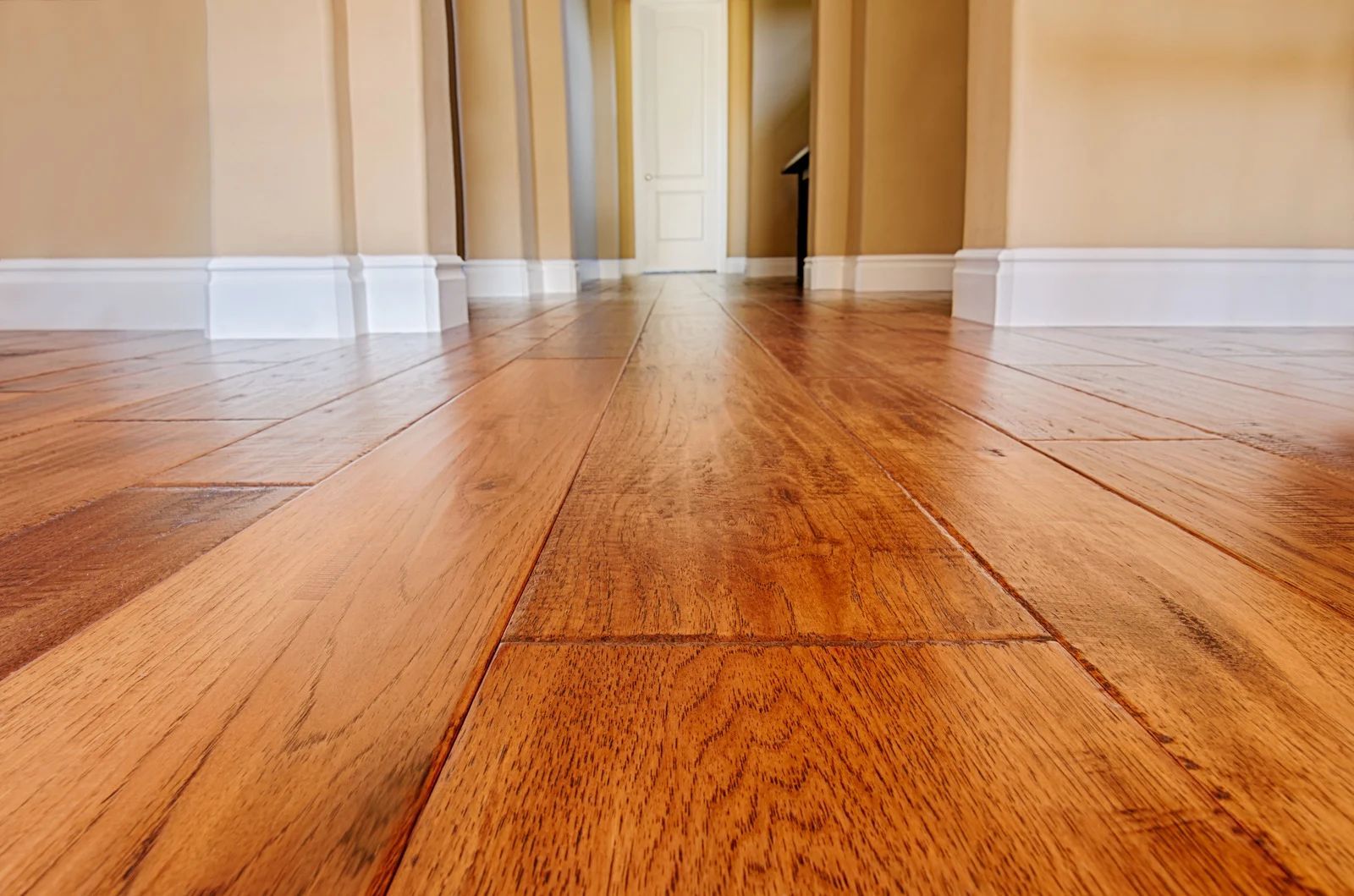
A floor can feel dry to bare feet while the subfloor beneath it and the wall cavity behind the baseboard hold enough moisture to warp boards and feed mold growth for weeks. This is why surface mopping alone never ends the story.
Why the Source of the Water Changes the Whole Cleanup
Not all flood water is the same, and the difference decides what can be saved and how the cleanup has to be handled.
Restoration crews sort water into three categories. Clean water, called Category 1, comes from a sanitary source like a broken supply line or an overflowing tub. Gray water, Category 2, carries some contamination from appliances such as a dishwasher or washing machine. Black water, Category 3, is grossly contaminated, the kind that comes from a sewage backup or storm flooding that ran across the ground. A burst supply line usually starts as clean water, which is the best case, but that status does not last.
Clean water does not stay clean
Left sitting, Category 1 water degrades to Category 2 within roughly 48 to 72 hours as it picks up dirt, bacteria, and whatever it soaks through. The clock is one big reason fast drying matters.
The 24 to 48 hour window is real
Federal agencies including the EPA and FEMA point to drying wet materials within 24 to 48 hours as the practical benchmark for limiting mold growth. Past that window, damp drywall, carpet padding, and framing become a foothold for mold, which turns a simple dry out into a full remediation job.
Warning: If the water is discolored, smells foul, or you know it came from a sewer backup, a toilet overflow, or outdoor storm flooding, do not wade in and do not try to salvage soaked carpet, padding, or drywall yourself. Category 3 water carries contaminants that ordinary mopping and household cleaners will not resolve, and porous materials it touches usually have to be removed rather than dried. Keep children and pets out of the area and wait for a crew with the right containment and protective equipment.
The DIY Moves That Turn a Cleanup Into a Rebuild
A few well meant shortcuts cause most of the repeat damage we get called back for.
Renting a couple of fans is not drying
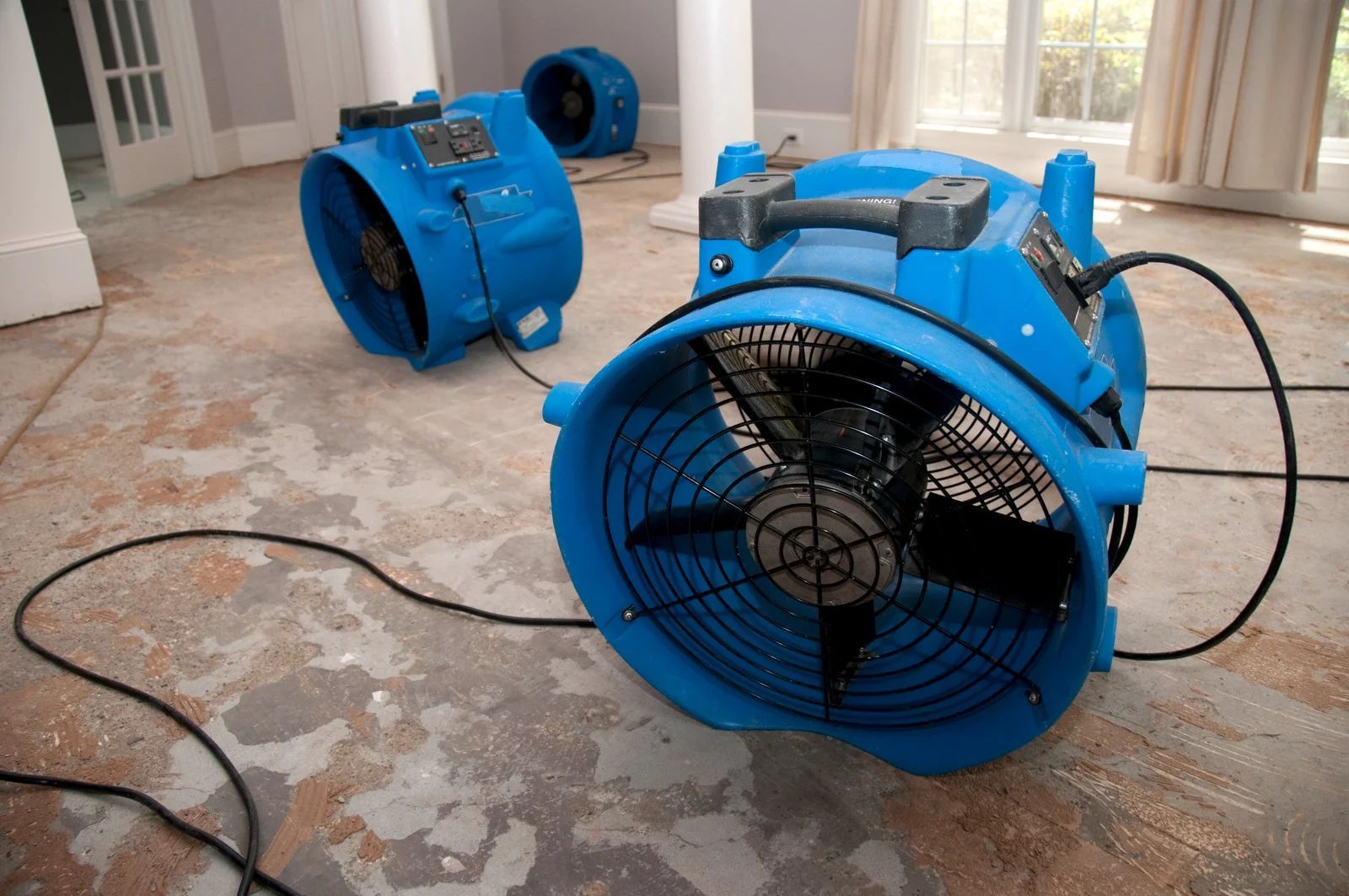
Box fans push air around a room but do almost nothing for the moisture locked inside walls, under flooring, and in framing. Real structural drying uses commercial air movers paired with dehumidifiers, and it is guided by moisture meters that tell us when materials are actually dry rather than just dry to the touch.
Closing the room up traps the moisture
Shutting the door and walking away lets humidity build and pushes dampness deeper into materials. Air has to keep moving and the humidity has to have somewhere to go.
Painting or sealing over a water stain hides the problem
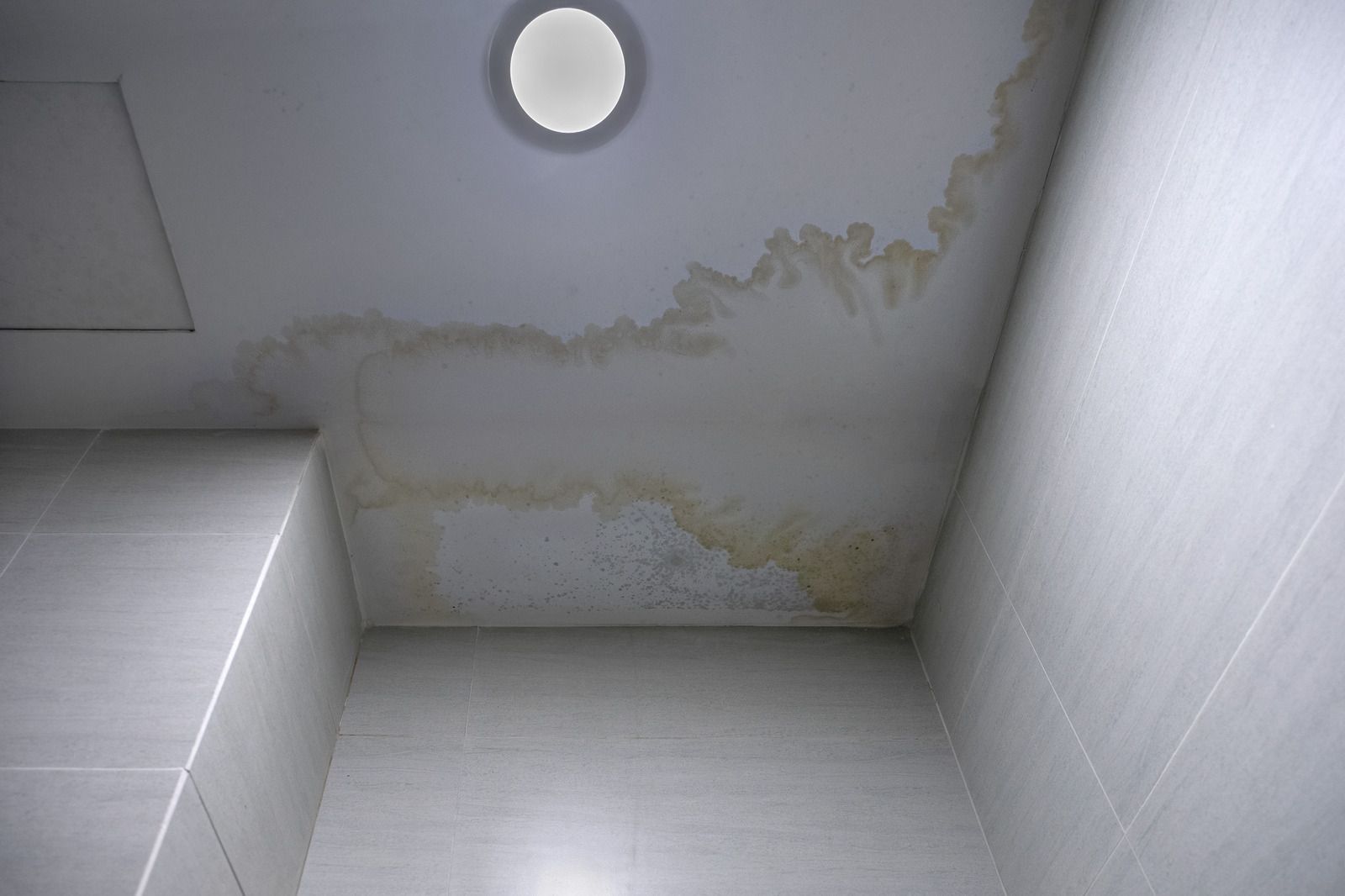
Covering a stained ceiling or wall before the cavity behind it is dry seals moisture in, where it quietly rots framing and feeds mold. A stain is information, not just an eyesore.
Frequently Asked Questions
What is the very first thing to do when a pipe bursts?
Shut off your home's main water valve. Everything else is secondary since a line can push out around 50 gallons a minute. Then cut power if safe, and start moving belongings and soaking up standing water.
Where is my main water shut off valve usually located?
Most Tri-Cities homes have it where the municipal line enters, commonly the crawl space, basement, or near the meter toward the street. Turn clockwise to close. If stuck, the utility can shut water at the meter box.
How quickly can water damage lead to mold?
Mold can begin within 24 to 48 hours on damp materials, the window EPA and FEMA cite for drying. In humid East Tennessee, especially crawl spaces and older wall cavities, that timeline matters. Fast drying prevents it.
Can I just dry the water damage myself with fans and a shop vac?
You can knock down standing water with a shop vac and towels. But household fans don't remove moisture trapped in subfloor, drywall, and framing. Without commercial air movers and dehumidifiers, materials stay wet and grow mold.
The floor feels dry now. Am I in the clear?
Not necessarily. A surface can feel dry while the subfloor and wall cavity behind the baseboard still hold moisture. That hidden dampness warps hardwood and feeds mold long after visible water disappears. Moisture meters confirm true dryness.
Does it matter what kind of water flooded my home?
It matters greatly. Clean water from a supply line is most recoverable, while gray water from appliances and black water from sewage carry contamination. Contaminated water usually means porous materials must be removed, not dried.
Why the First Hour Decides the Outcome
The homeowners who recover fastest from a burst pipe are almost never the ones who happened to get lucky. They are the ones who knew where the shut off valve was, moved quickly in the first hour, and called for real drying before hidden moisture had days to settle into the structure. A burst pipe is a genuinely bad night, but it does not have to become a bad season. Dr Dry Restoration has spent 20+ years responding across Kingsport, Tennessee, homes when that first hour matters most.
Acting fast, keeping people clear of contaminated water, and getting professional drying started early are what keep the damage contained to what you can see instead of everything you cannot. Knowing your valve, your breaker panel, and the difference between clean and contaminated water turns a frightening night into a manageable one, and that knowledge is worth having long before you ever need it.